What If Humanity Got It Right?
I have a confession: I am an amazing liar. At some point, I figured out that if you simply base your lie on a truth, to 99% of the population, it becomes indistinguishable from the actual truth. I’m so good at it, I’ve built an entire career around it. I’ve walked into hundreds of scenarios where I simply lied to people—to trick them, to get them to do something they normally wouldn’t, all in the name of security.
After 15 years, I’ve learned something profound: it’s not hard. People have an innate desire to help others, to trust, or to offer advice. People like me exploit that—we twist, manipulate, and deceive—all in the hope that someone with more sinister motives won’t do it to them in the future.
Over the years, I’ve had people call me after a social engineering engagement and thank me. They’ve shared stories about catching someone in a lie, calling someone’s bluff, and, in one extraordinary case, even preventing an active shooter—all because they learned a lesson no one ever wants to have to learn. Frankly, I don’t blame them. It’s not pleasant to realize someone lied to you, and you fell for it—hook, line, and sinker—only to face that person later with no recourse other than “remediation training.”
I also happen to teach classes on information and cognitive warfare—fields that focus on how organizations and nation-states manipulate and lie to you, how they twist reality, and even how they convince you that the idea you’re fighting for was your idea all along. The internet was supposed to be a utopia, a network to connect ideas and progress humanity. But we all know that didn’t happen.
Normally, someone writing an article like this would dive into the “how” and the “why.” They’d explain how nation-states like China flood social media with polarizing opinions or how algorithms keep you in an echo chamber, surrounded by people and bots (mostly bots) who reinforce your beliefs to make you more malleable. They’d highlight how the “news” or “facts” your friends share are often propaganda (yes, from bots), based loosely on truth but warped beyond recognition because it works.
But that’s not what I want to do here. People are so polarized, so rusted into their institutional beliefs, that even if I laid out the truth, many would dismiss it as fake news. Not because it is, simply because they don’t want to agree or admit they have been duped for so so long. So instead, I want to talk about Superman, Star Trek, and the future… random rabbit hole I know.
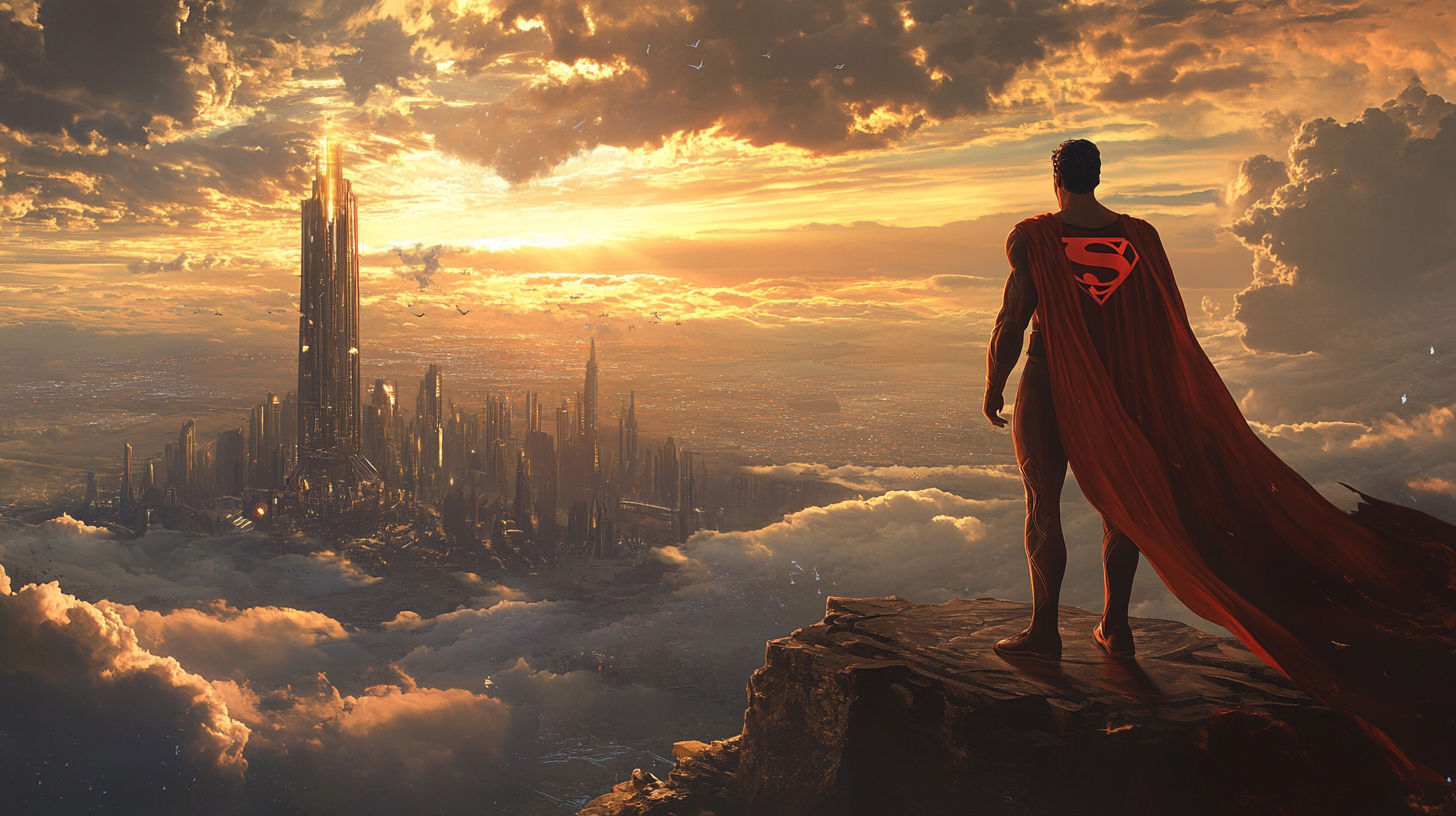
Superman is an alien who believes in humanity more than humanity believes in itself. He’s a symbol of hope that resides in the choices we face every day. His stories remind us that the right path isn’t always easy, but it’s always there. “You have to decide the kind of man you want to grow up to be, Clark,” his father once said. And yet, despite all that power, he doesn’t dominate or control; he chooses kindness and compassion, standing firm in his belief that there’s always another way—even when it feels impossible.
Superman’s greatest power isn’t his strength or speed; it’s his capacity for hope. When a young girl stands on the edge of despair, ready to give up, he doesn’t take the easier path and fly in and save her with superpowers. He takes the time to save her with words: “You’re stronger than you think. You matter.” That “S” on his chest? It doesn’t stand for his name; it stands for hope—hope that we can rise above our worst instincts, that tomorrow can be better, that even in the darkest times, there is light.
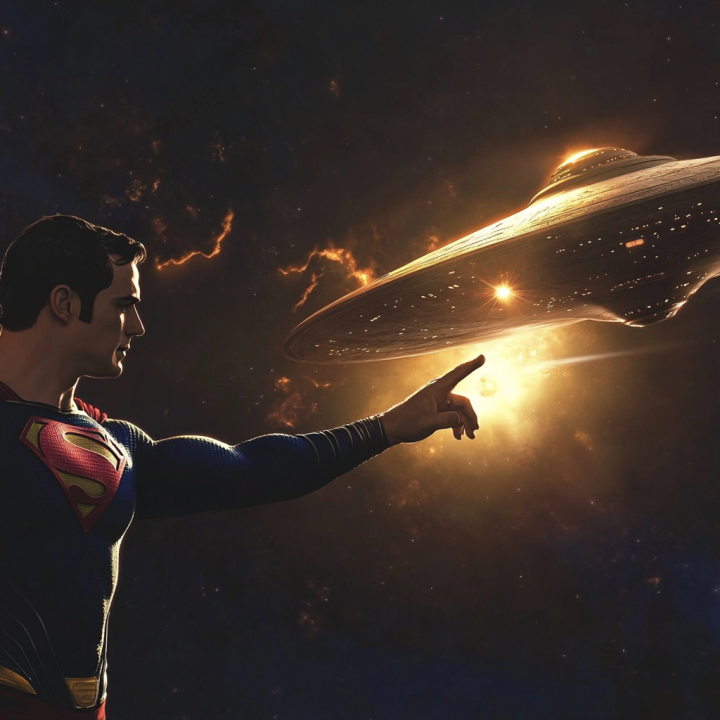
Now think about the future. Most stories about what lies ahead are bleak: dystopias of mutually assured destruction, zombie apocalypses, or worlds where corporations or an evil AI rules. But one story stands apart: Star Trek. Gene Roddenberry imagined a future where humanity got it right—where poverty, hunger, and inequality were gone, and humanity explored the stars, thriving as a united species.
So, what if we got it right? What if humanity worked together for the betterment of our species? What would the future look like if we chose hope, like Superman, and believed in our potential to be better?
I’ve run simulations with multiple AI models, and all of them—every single one—paint a breathtaking picture of what’s possible. Here’s what the future could look like if we embraced collaboration and worked together:
2 Years: A World in Motion
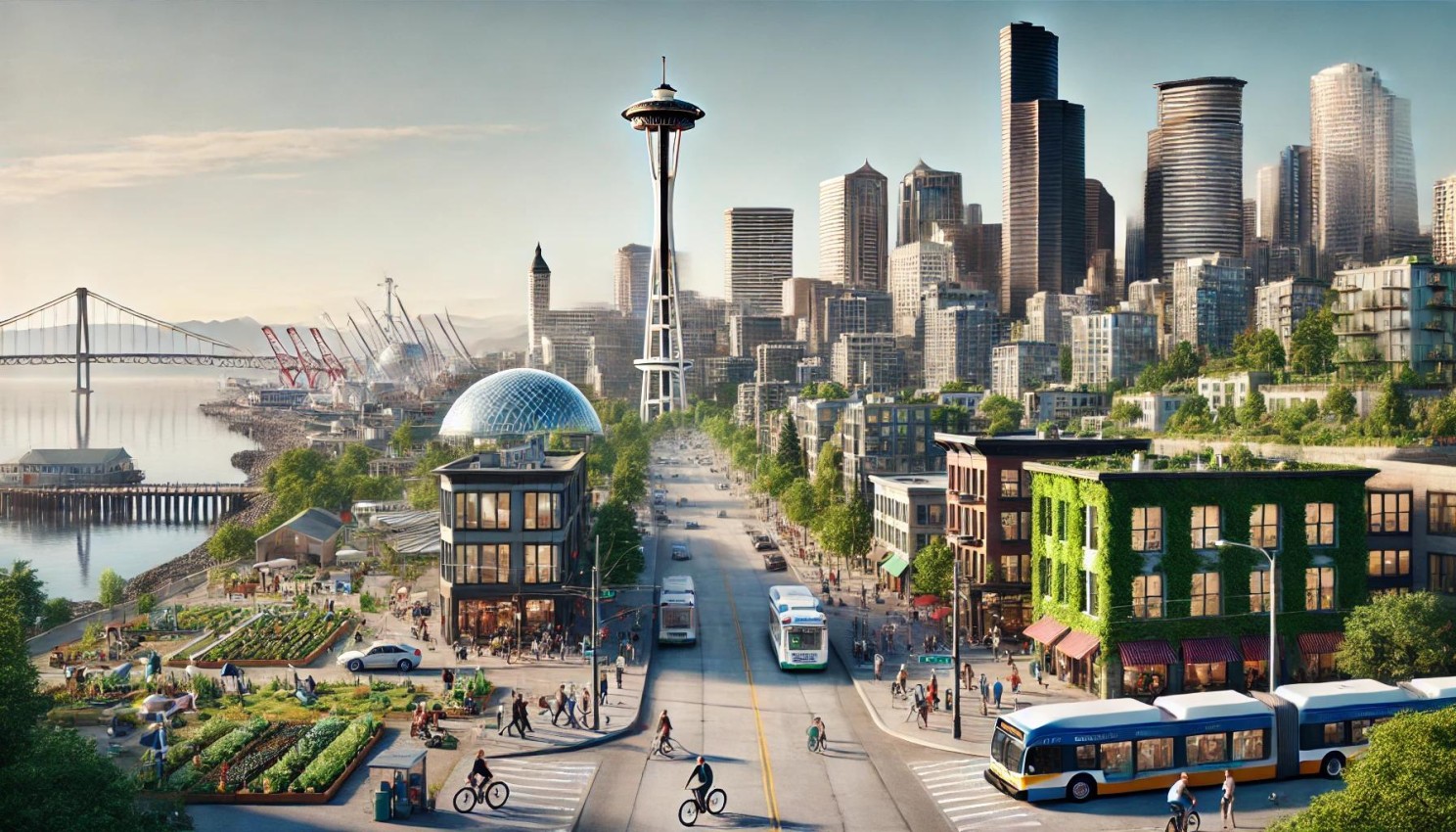
Two years into this collaboration, the signs of change would ripple through everyday life. AI would quietly integrate into society, optimizing traffic, energy consumption, and even household chores. Renewable energy would become ubiquitous, with solar farms and wind turbines powering cities, and early fusion reactors on the horizon, promising limitless clean energy.
Healthcare would undergo a quiet revolution as AI-assisted diagnostics slash wait times and vaccines are deployed almost instantly during outbreaks. Nations, once rivals, would begin pooling resources to combat climate change and poverty. The world would feel smaller, more connected, as billions gain access to affordable internet, education, and opportunity.
5 Years: The First Leap Forward
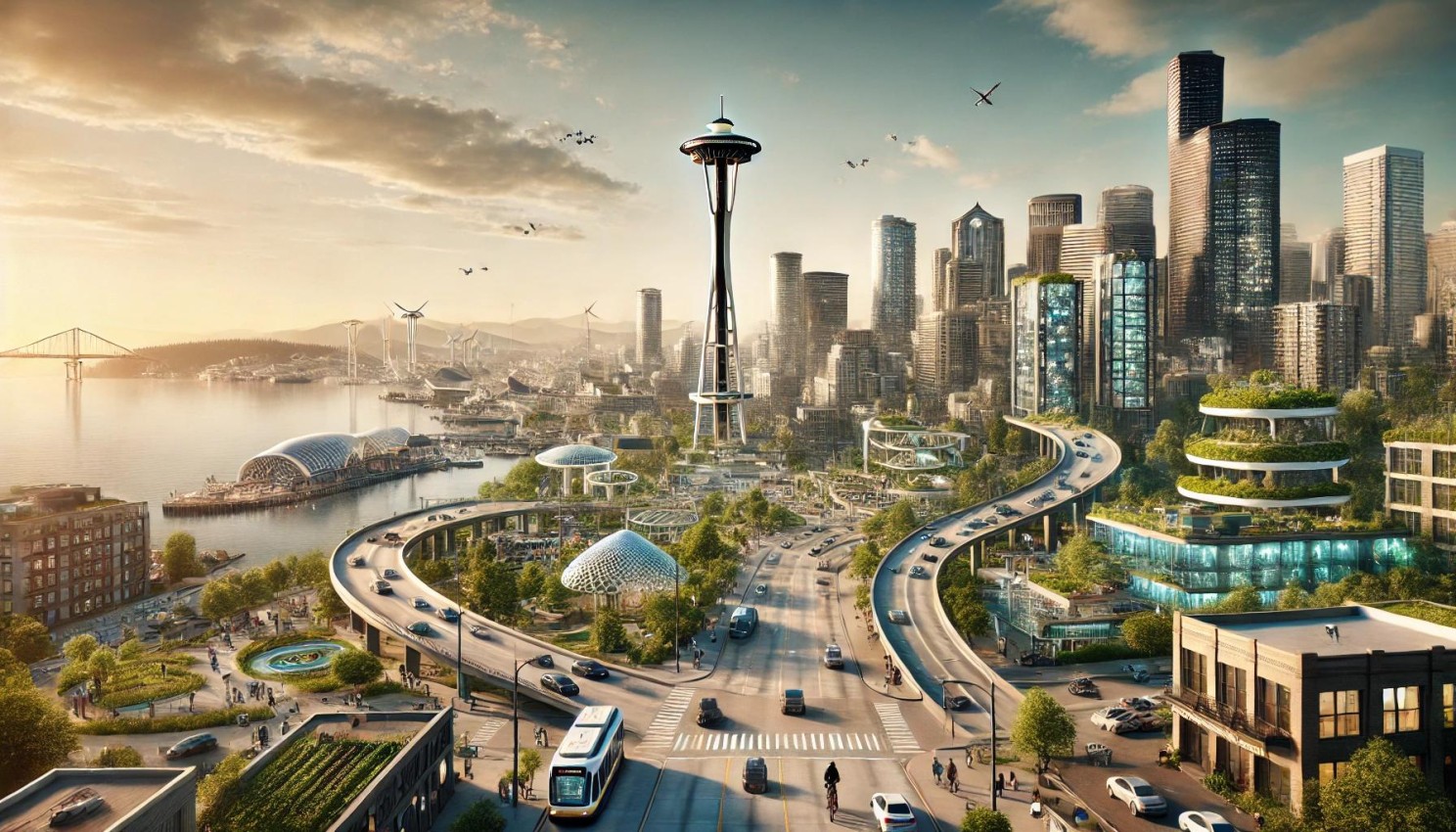
By year five, the transformation would be unmistakable. Cities would hum with clean energy from advanced solar grids and fusion power plants. Smart systems would eliminate waste, and air quality in major metropolitan areas would noticeably improve. AI-driven technologies would dominate industries, from self-driving vehicles making commutes seamless to precision medicine extending lives and managing chronic diseases like diabetes.
Global health initiatives would eradicate diseases like malaria and polio, while universal internet access bridges education gaps, enabling even the remotest communities to thrive. Nations would act more like partners, working together to restore ecosystems, reduce poverty, and create a shared sense of purpose.
10 Years: A Transformed Daily Life
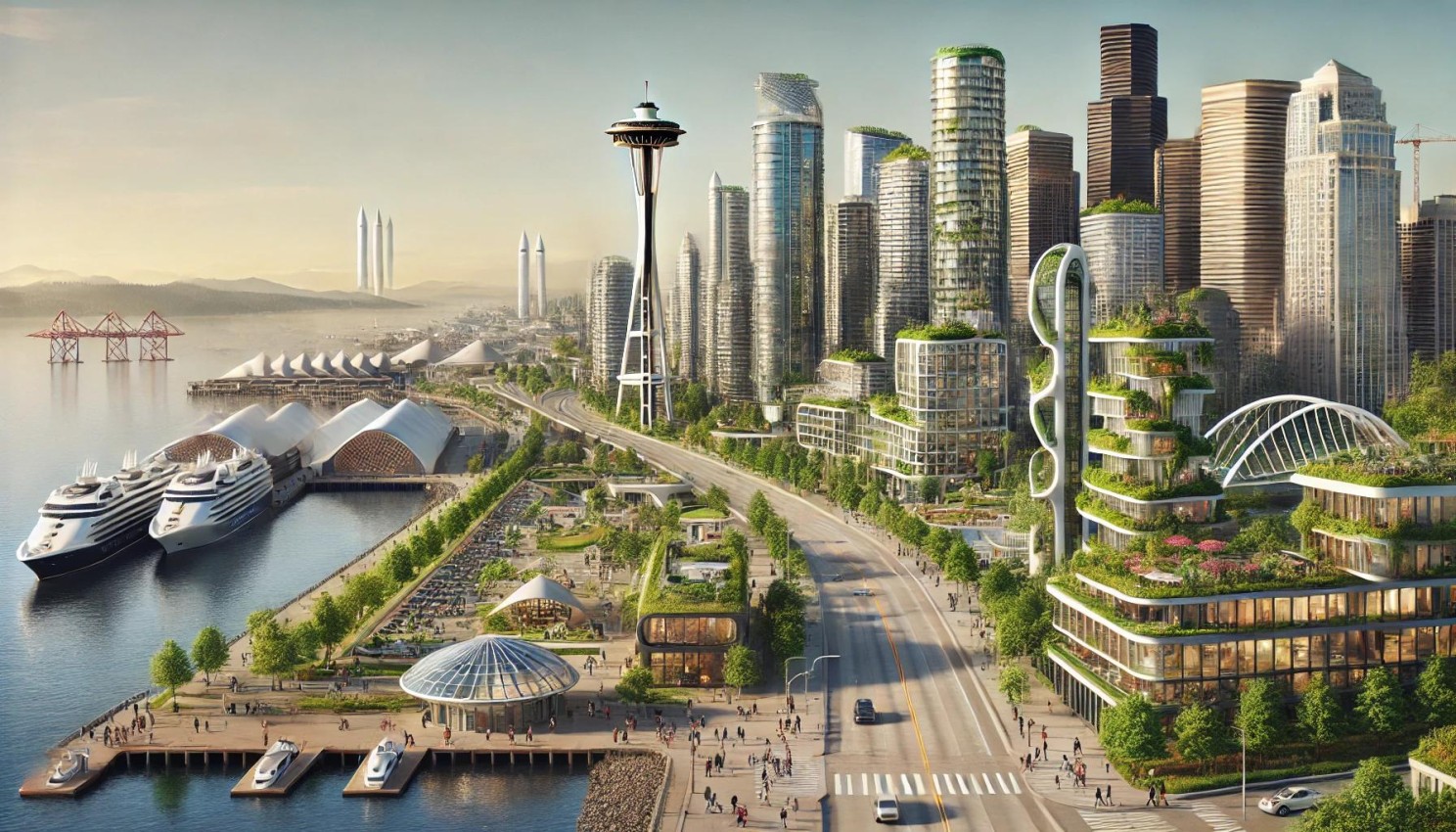
A decade into collaboration, humanity would feel reborn. Fusion energy would power everything, ending energy scarcity. AI would manage cities, making them cleaner, quieter, and more sustainable. Healthcare would be unrecognizable, with diseases that once ravaged populations now existing only in history books. Lifespans would extend as aging is treated like a manageable condition, and education would be tailored to every child’s unique strengths, leveling the playing field for all.
Lunar and Martian research bases would symbolize humanity’s collective ambition, proving that when we share resources and knowledge, anything is possible.
20 Years: A Unified World
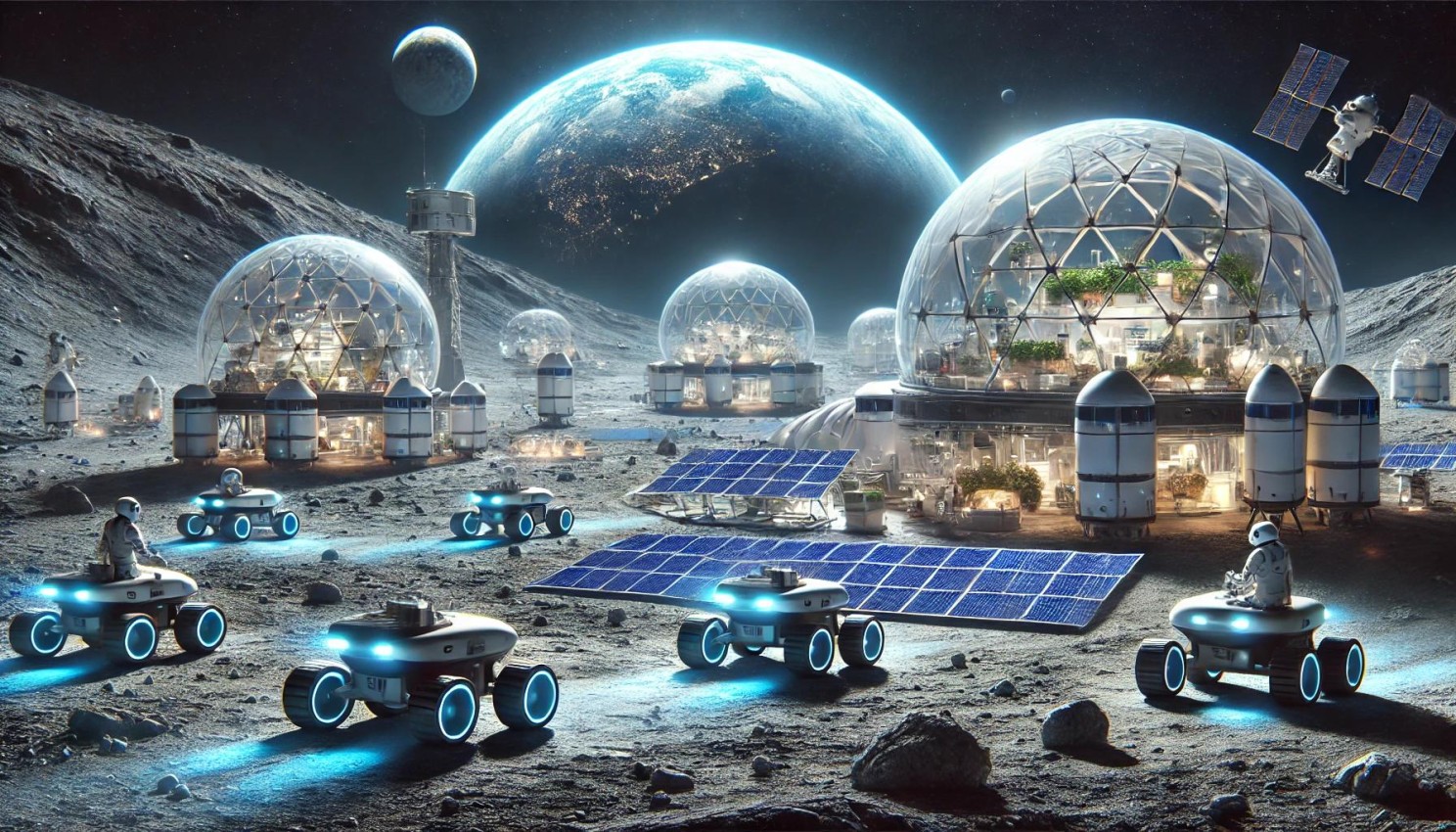
In 20 years, humanity would thrive. Clean energy would be limitless, homes and cities operating with zero environmental impact. AI would act as partners, enhancing creativity and solving global challenges. Healthcare would be almost magical, curing diseases and significantly extending healthy lifespans.
Borders between nations would exist only symbolically, as humanity sees itself as one species united by shared goals. Regular missions to Mars and beyond would inspire the world, planting the seeds for humanity’s next chapter among the stars.
For the average person, life wouldn’t just be about surviving—it would be about thriving. The world would feel like a place of infinite possibility, a testament to what humanity can achieve when it chooses hope over fear and collaboration over division.
Maybe this year, we can dare to hope, instead of letting others tell us what to think.
“You’re stronger than you think. You matter.”
“You have to decide the kind of person you want to grow up to be”